Aizoaceae
The Jewels of the veld
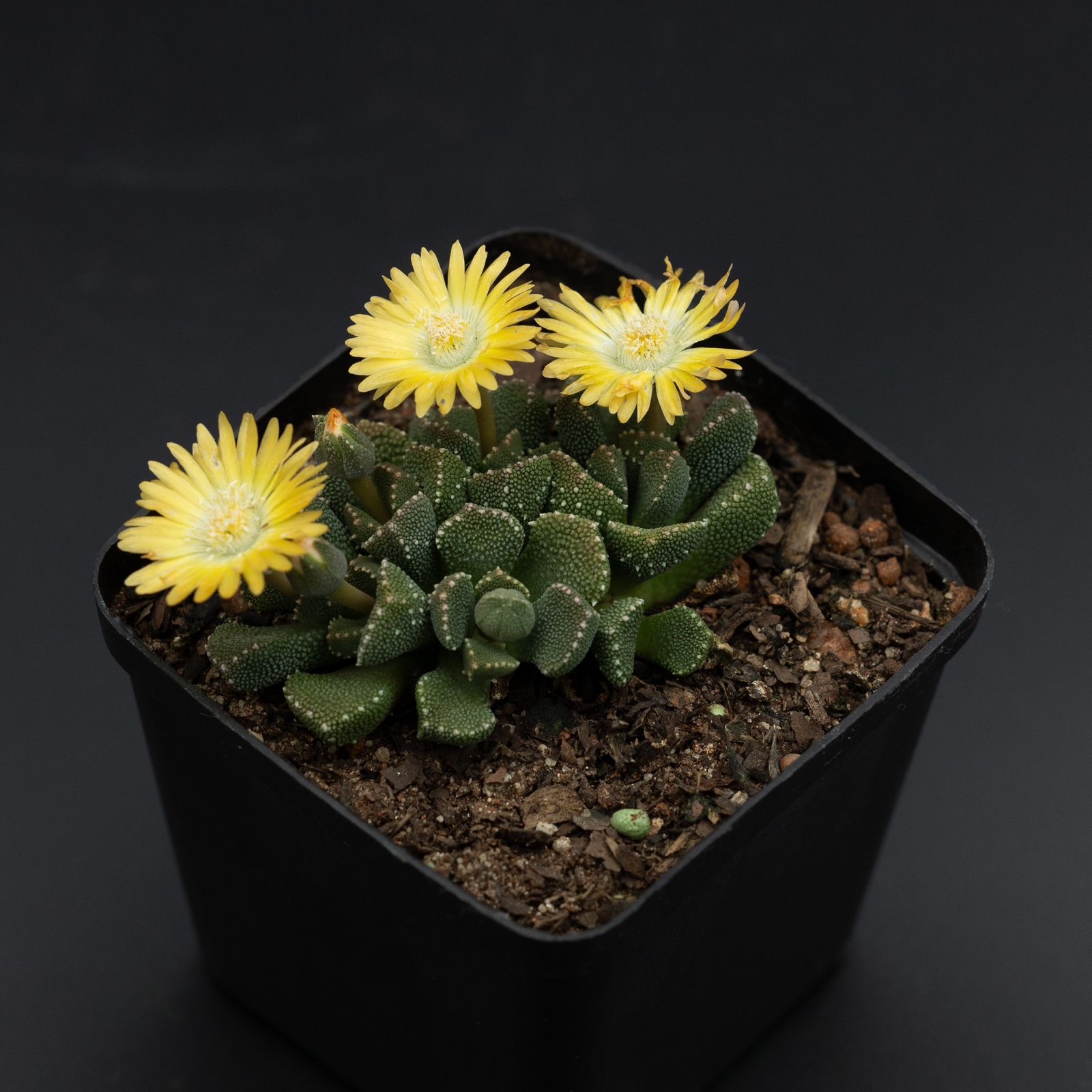
Native to the arid regions of South Africa, plants in this genus are well-adapted to survive in harsh, drought-prone environments. Aloinopsis species are treasured by succulent enthusiasts for their unique, textured leaves and vibrant blooms, which add a splash of color to otherwise rocky landscapes.

Argyroderma
Known for its strikingly smooth, pebble-like appearance and compact growth habit. These unique succulents, often called “living stones,” resemble small, colorful stones nestled in the soil. Argyroderma is highly prized for its unusual appearance, minimal care requirements, and brightly colored flowers.
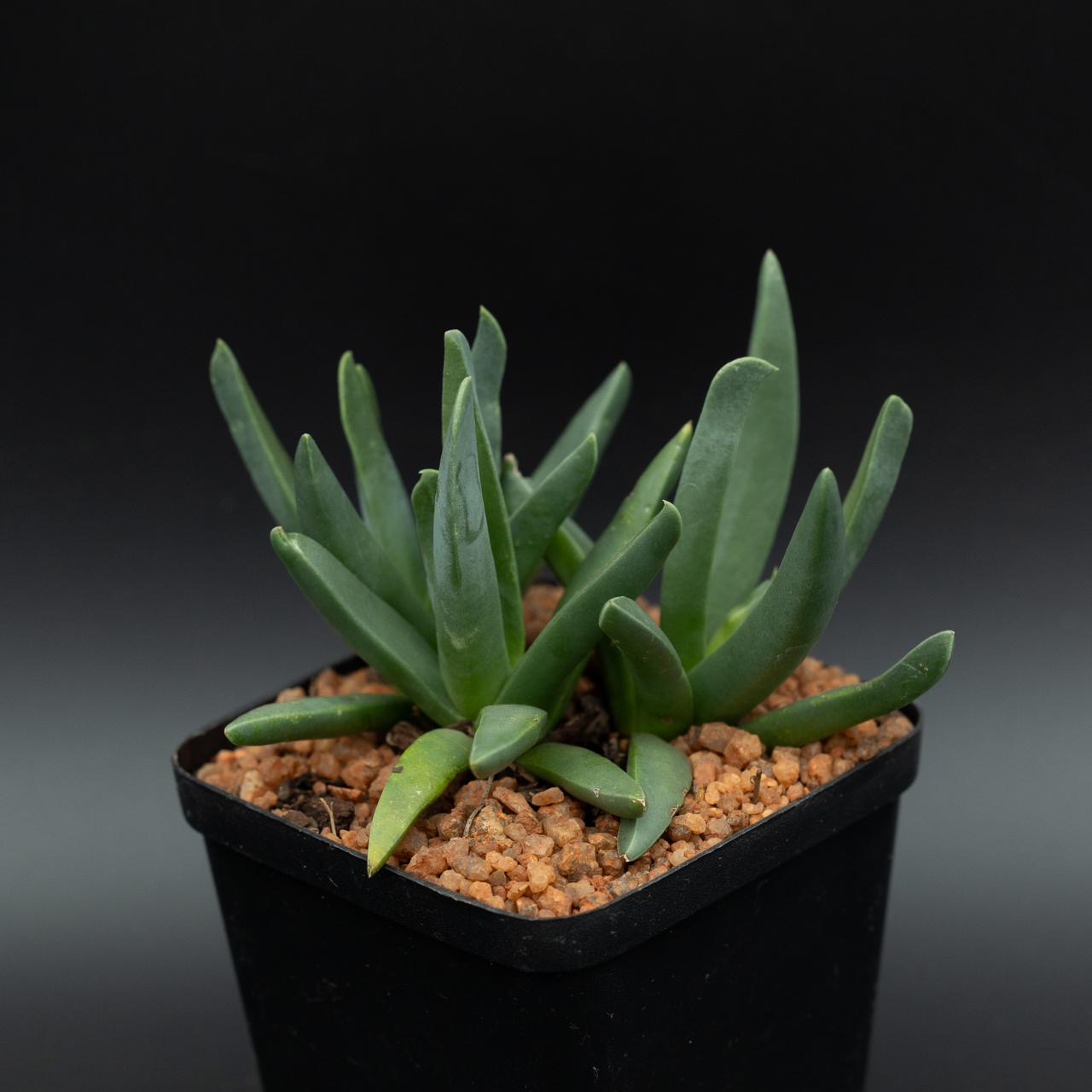
A small group of compact, hardy succulents known for their striking star-shaped blooms and thick, angular leaves. Often referred to as “Sun Gems,” Bergeranthus plants are celebrated for their resilience and low-maintenance beauty, making them popular in rock gardens and xeriscaping.
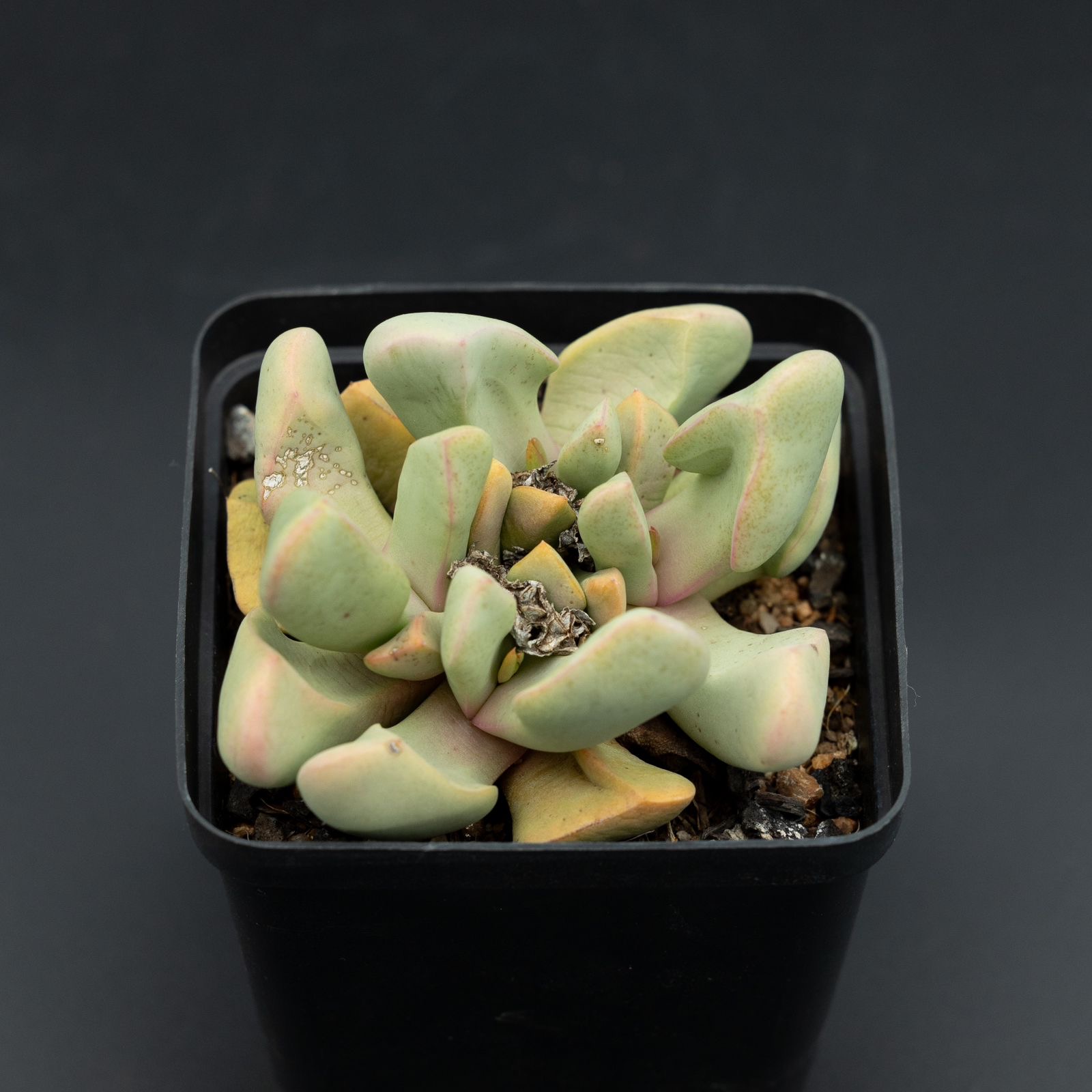
known for their compact, geometric foliage and striking blooms. Appreciated by collectors for their unique appearance and resilience, Bijlia species are sought after as ornamental plants, especially in arid gardens or rock gardens.
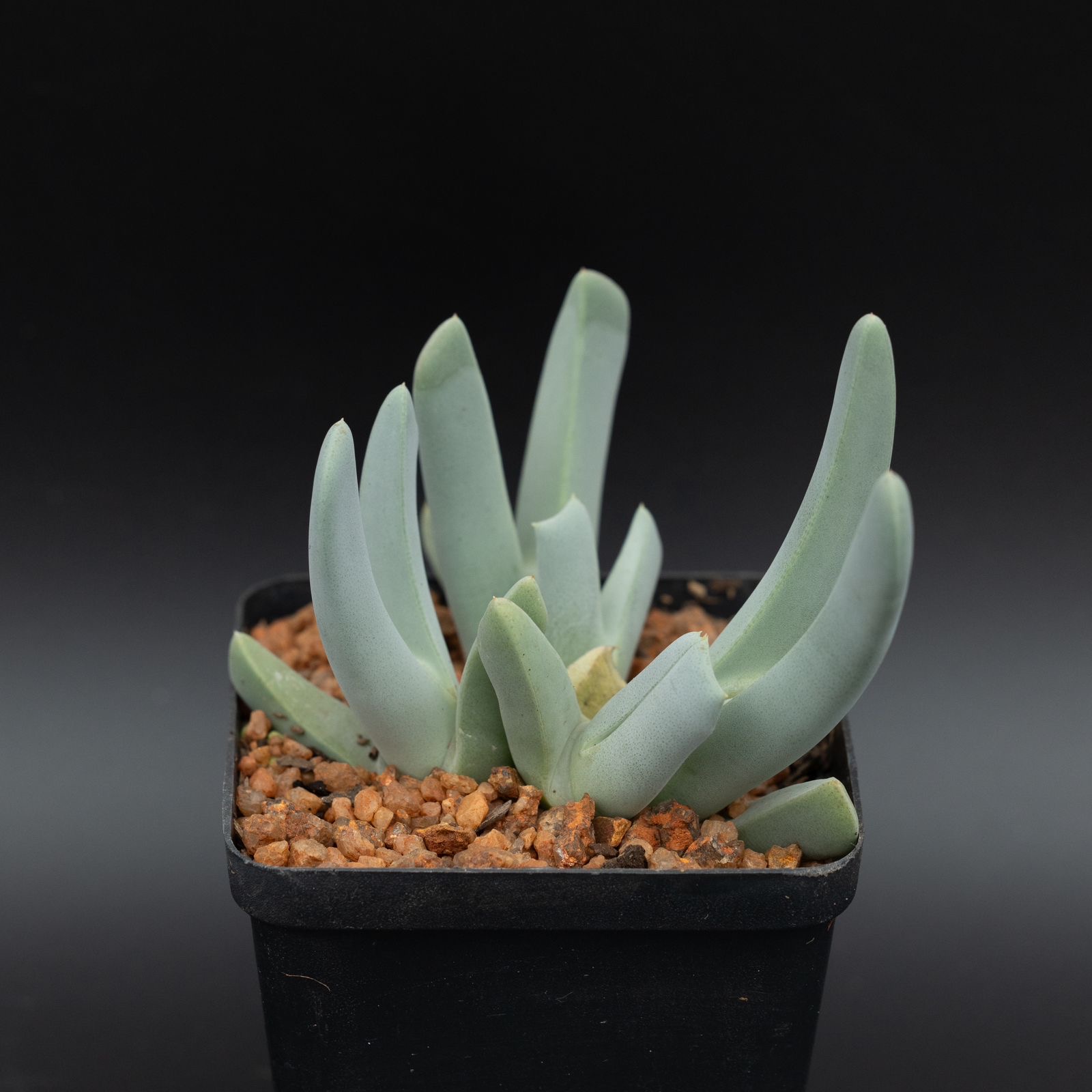
A group of unique succulents known for their thick, fleshy leaves and brilliant blooms. Their name, derived from Greek, means “hand-like,” referring to the shape of the leaves. With their remarkable drought tolerance and distinct foliage, Cheiridopsis plants are highly regarded among succulent enthusiasts and collectors.
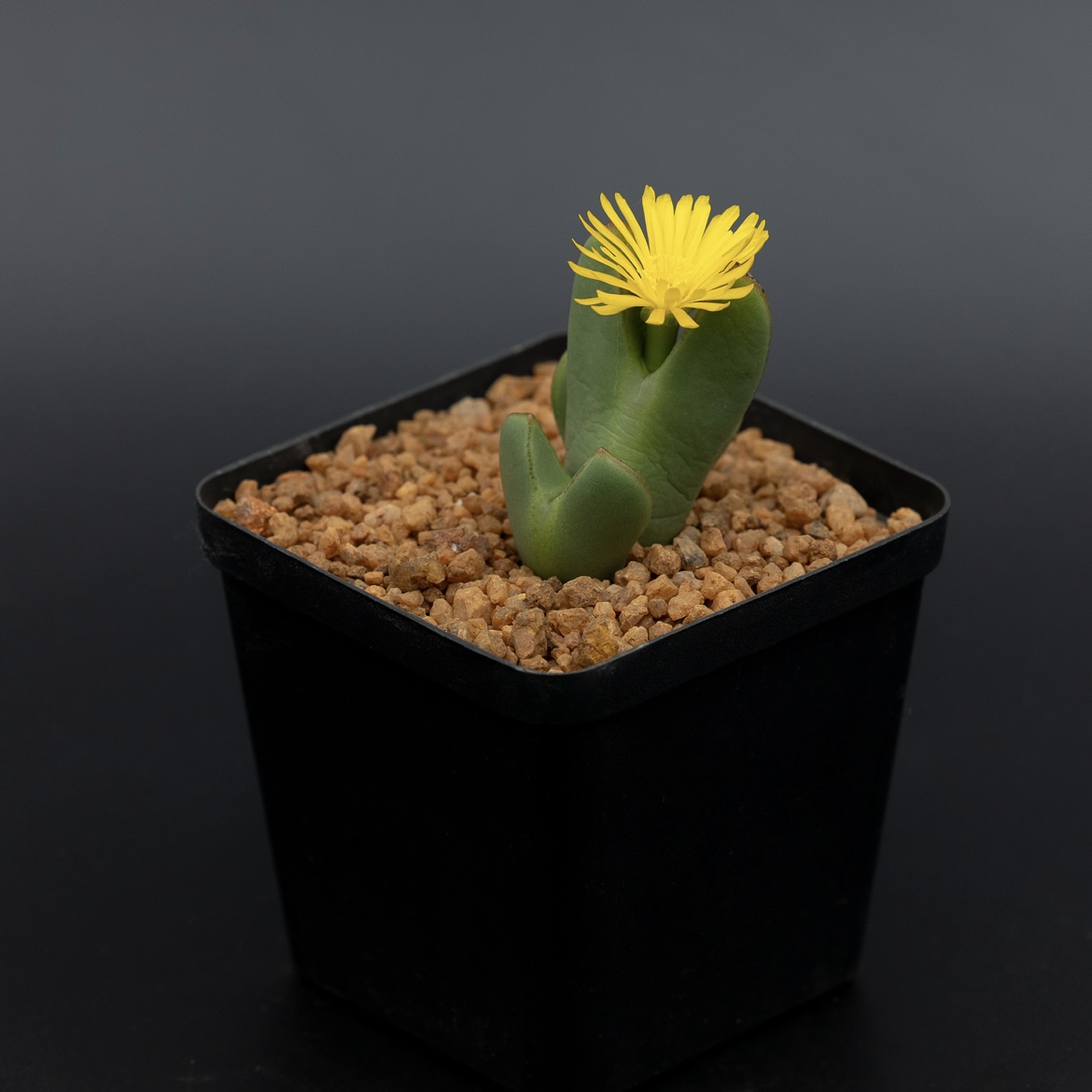
. These “living stones” are known for their compact size, colorful shapes, and intriguing life cycle. Conophytum species are highly prized by collectors for their unusual appearance and slow-growing nature, making them perfect for indoor cultivation and small gardens.
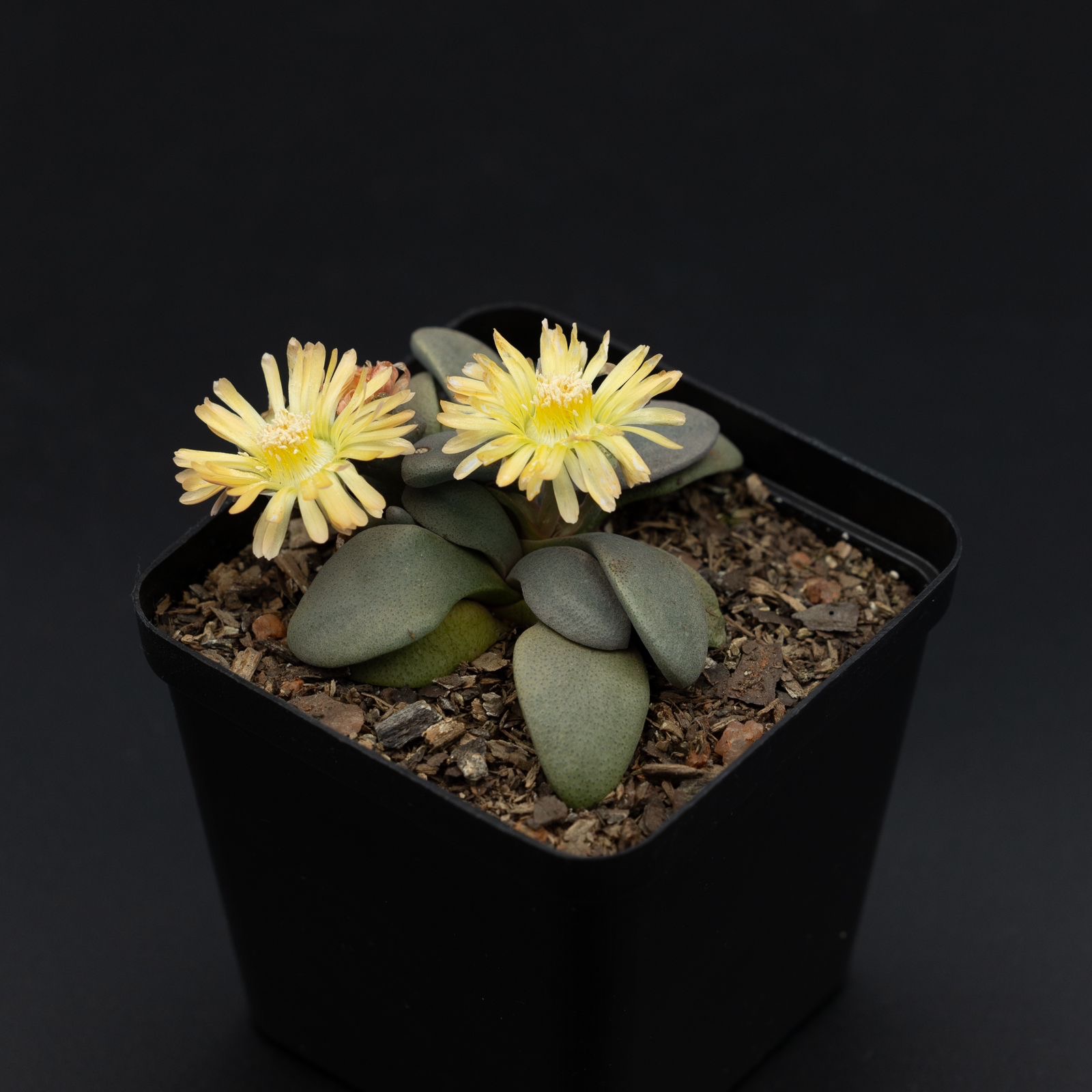
Small, compact succulents that display beautifully textured leaves and petite flowers. Known for their intricate appearance and unique growth habits, Deilanthe species are prized by collectors for their miniature form and resilience in harsh, arid conditions.
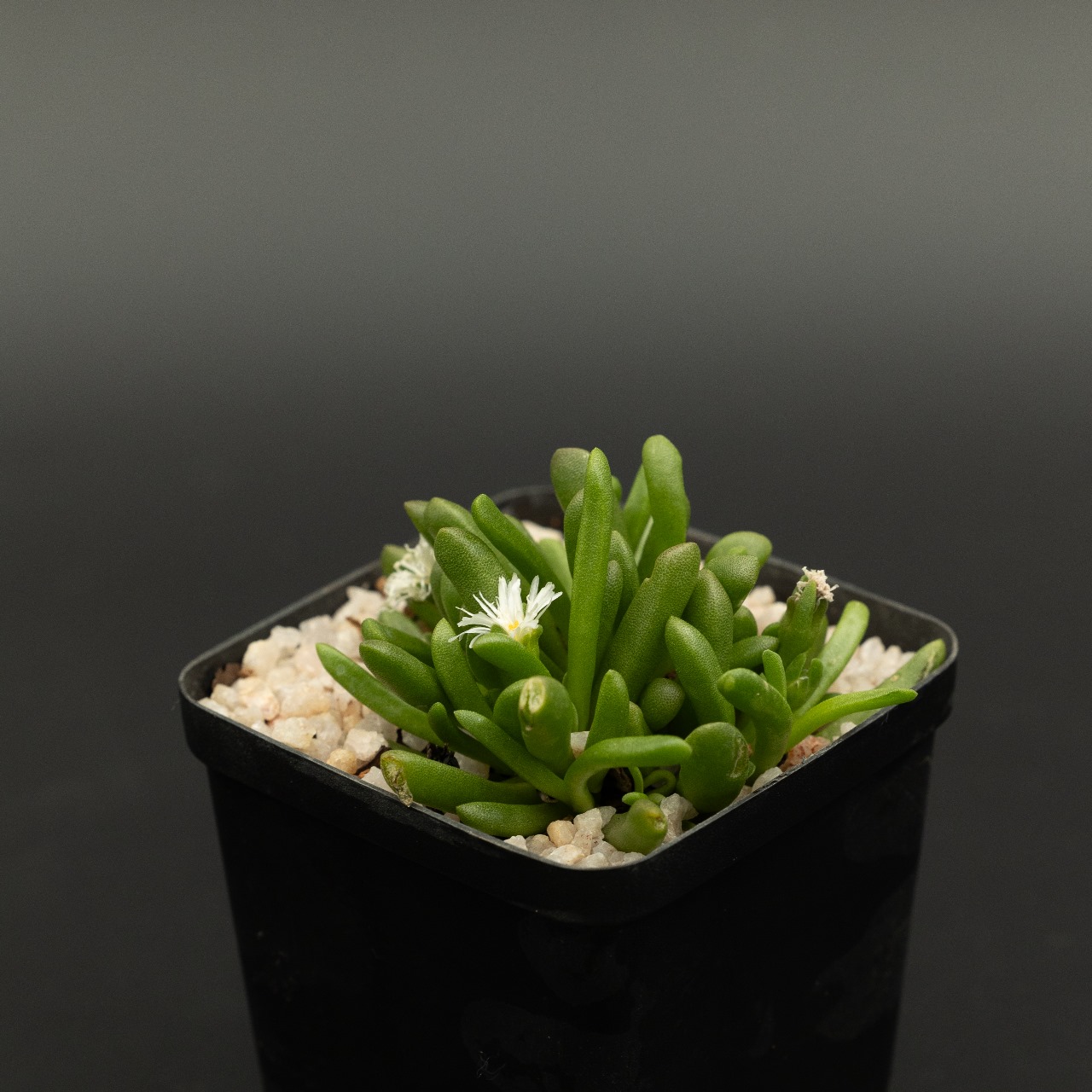
Known for their cold tolerance and prolific blooms, Delosperma species are widely used in gardens and landscaping for ground cover and erosion control. They are beloved for their easy-care nature, colorful flowers, and ability to thrive in challenging conditions.
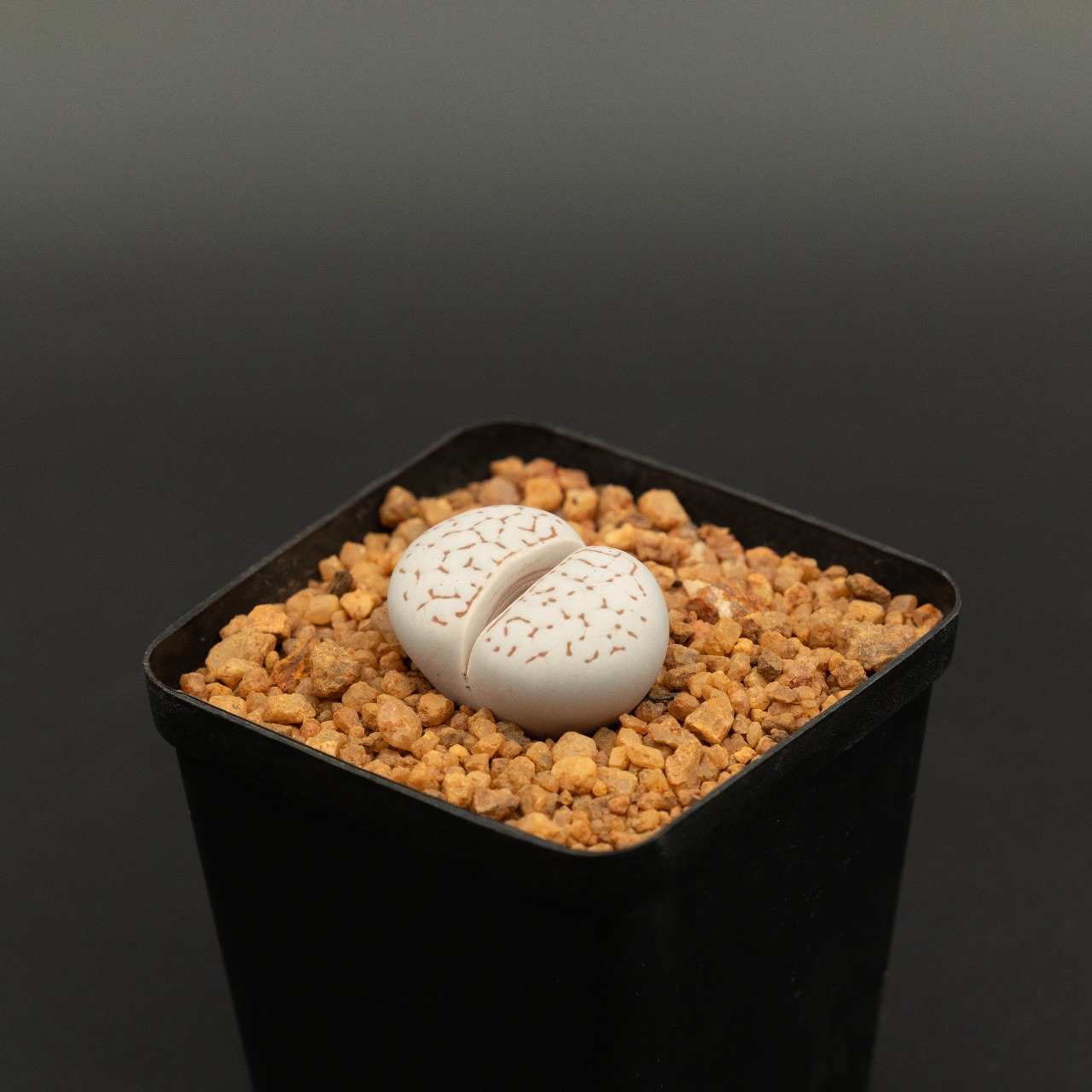
Dinteranthus
A fascinating group of succulents often referred to as “living stones” due to their unique appearance that helps them blend into their native desert surroundings. Known for their stone-like structure and drought tolerance, Dinteranthus species are cherished by collectors for their unusual form and intriguing adaptations to survive harsh environments.
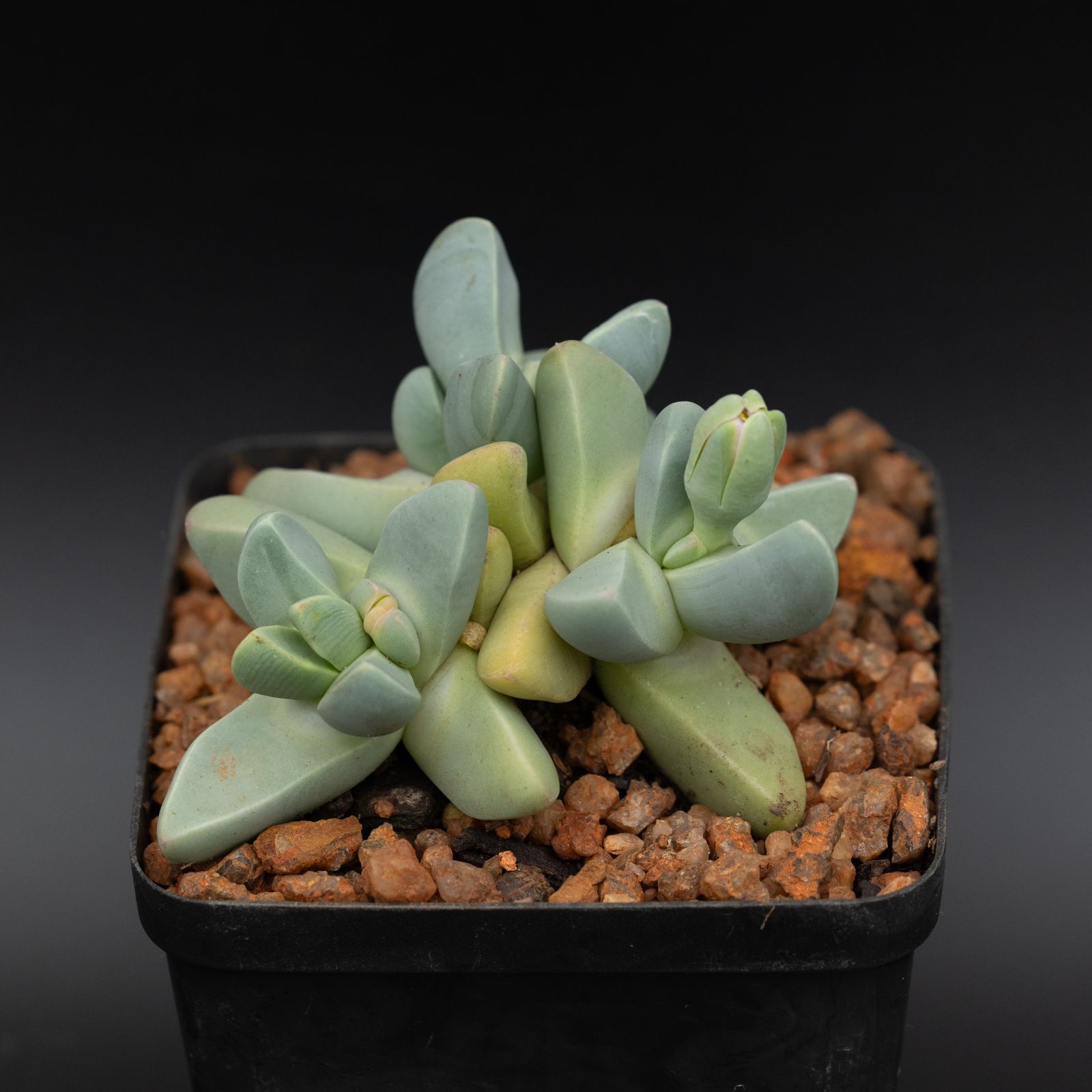
Dracophilus
Prized by succulent enthusiasts for its unique form and desert-hardy characteristics. The name Dracophilus means “dragon lover,” hinting at its resilient nature and the captivating appearance of its thick, rugged leaves. Though less commonly found in cultivation than some other Aizoaceae genera, Dracophilus is gaining attention for its distinctive structure and charm.
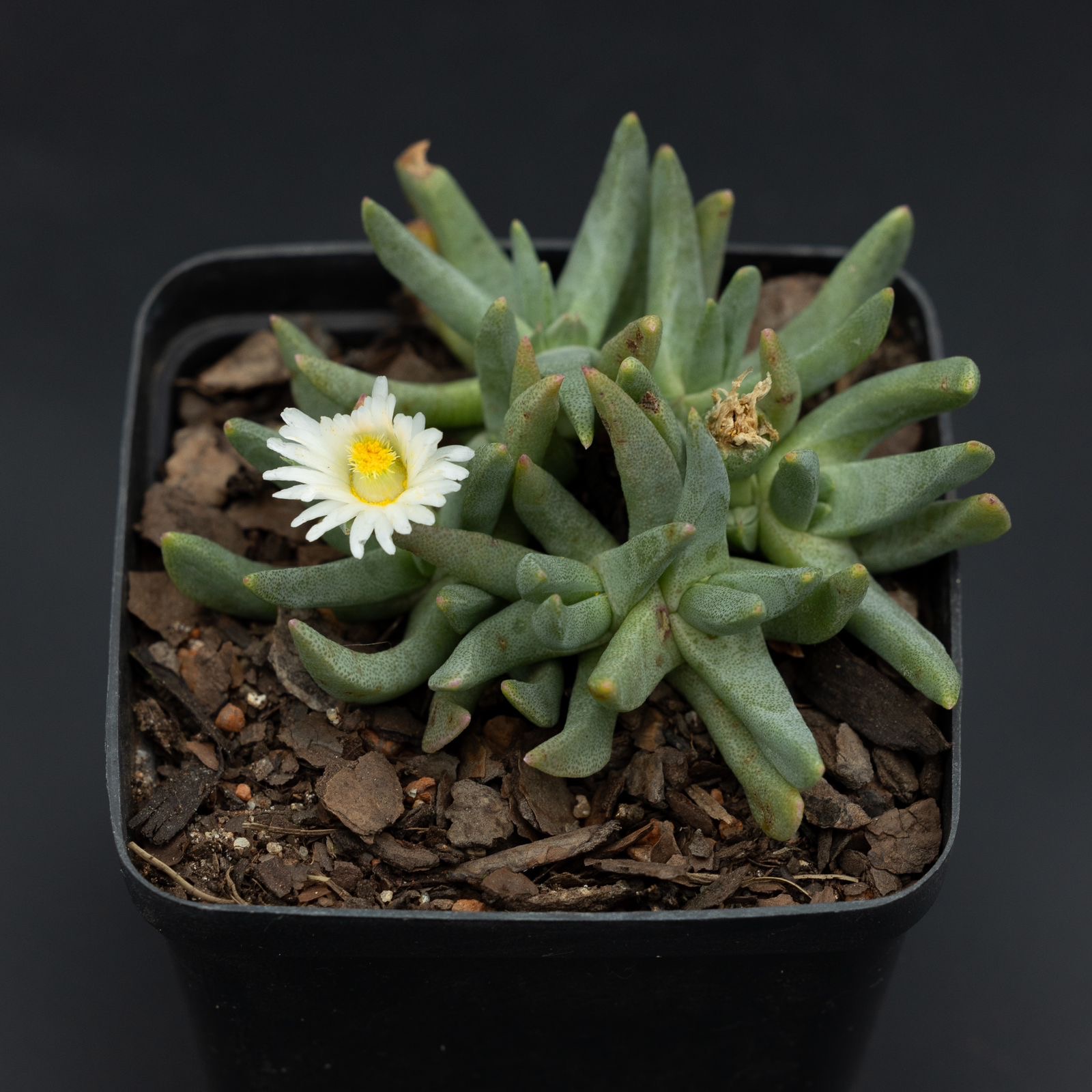
Ebracteola
A small yet captivating group of succulents native to the arid regions of southern Africa. Known for its compact growth, thick leaves, and delicate flowers, Ebracteola combines resilience with beauty. Though not as widely cultivated as some other Aizoaceae members, it is appreciated by succulent enthusiasts for its understated elegance and ease of care.
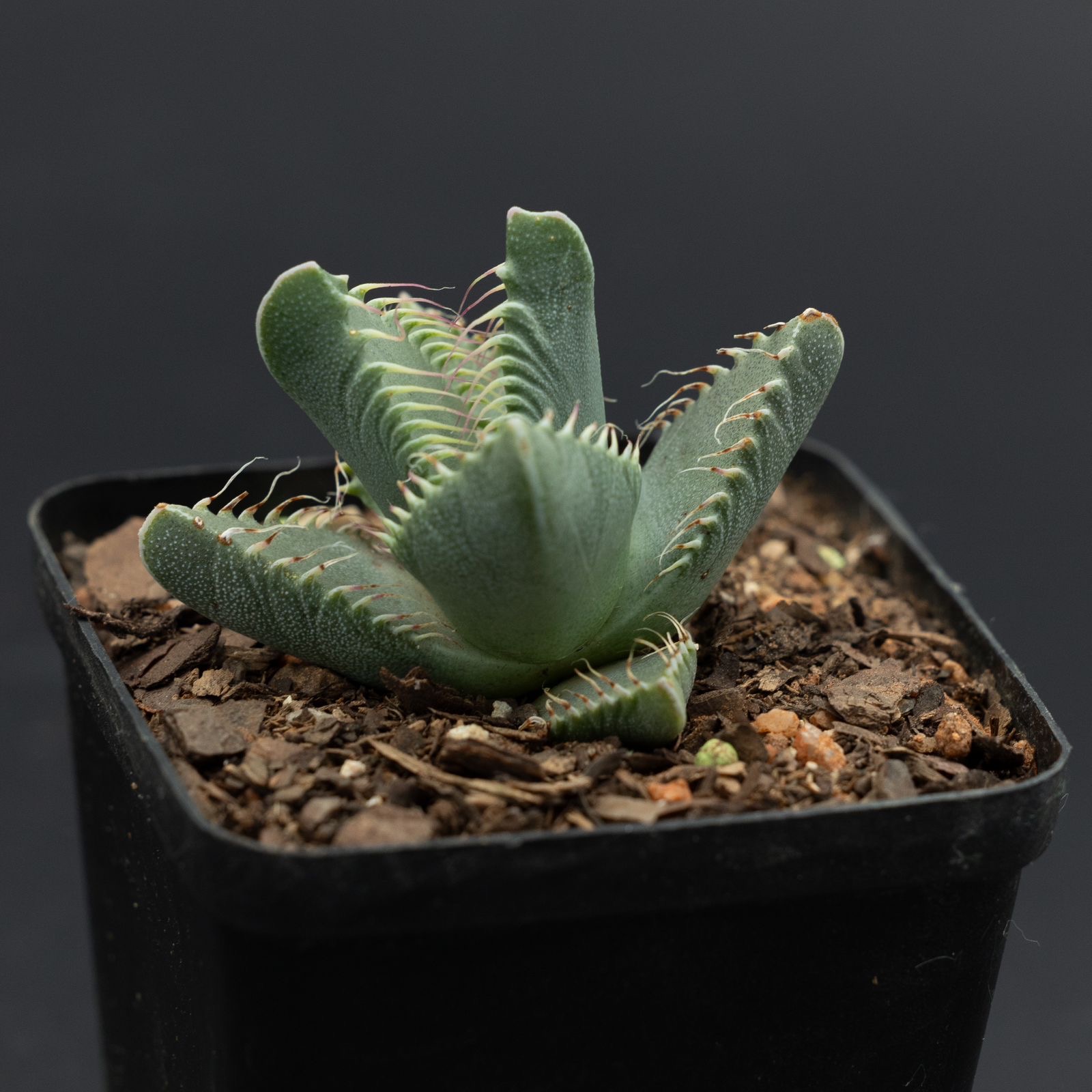
Faucaria
A small but striking group of succulents, commonly known as “tiger jaws” due to the tooth-like projections along the edges of their leaves. This unique, eye-catching appearance has made Faucaria a favorite among succulent collectors and plant enthusiasts. With proper care, these charming plants can add texture and interest to any indoor or outdoor succulent collection.
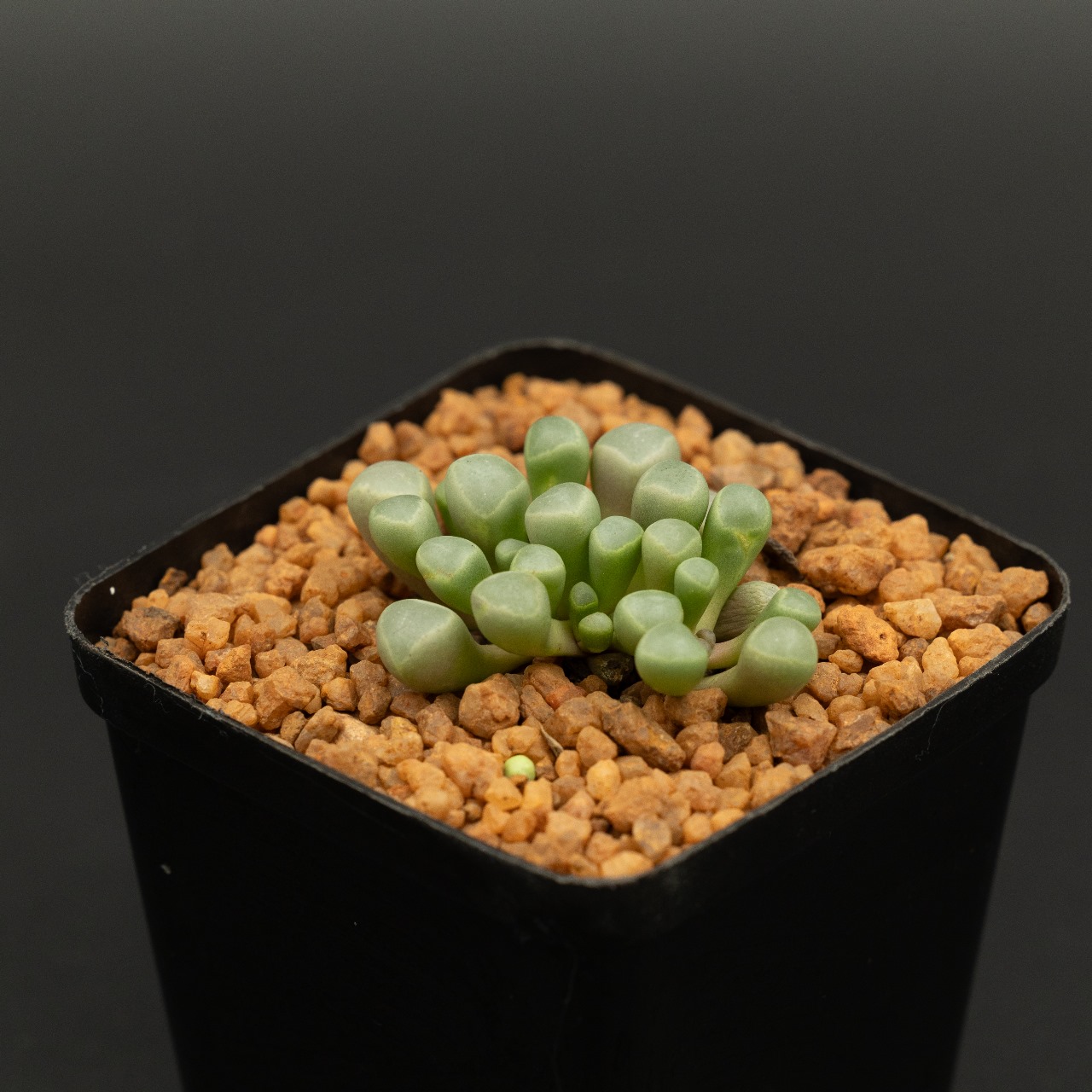
Fenestraria
Beloved by succulent enthusiasts for its unique, translucent-tipped leaves that resemble tiny, rounded toes. Known as “baby toes,” Fenestraria has adapted remarkably to its native desert environment, with leaves specially evolved to capture sunlight even when buried in sand. Its compact size and distinctive appearance make it an intriguing and low-maintenance addition to any succulent collection.
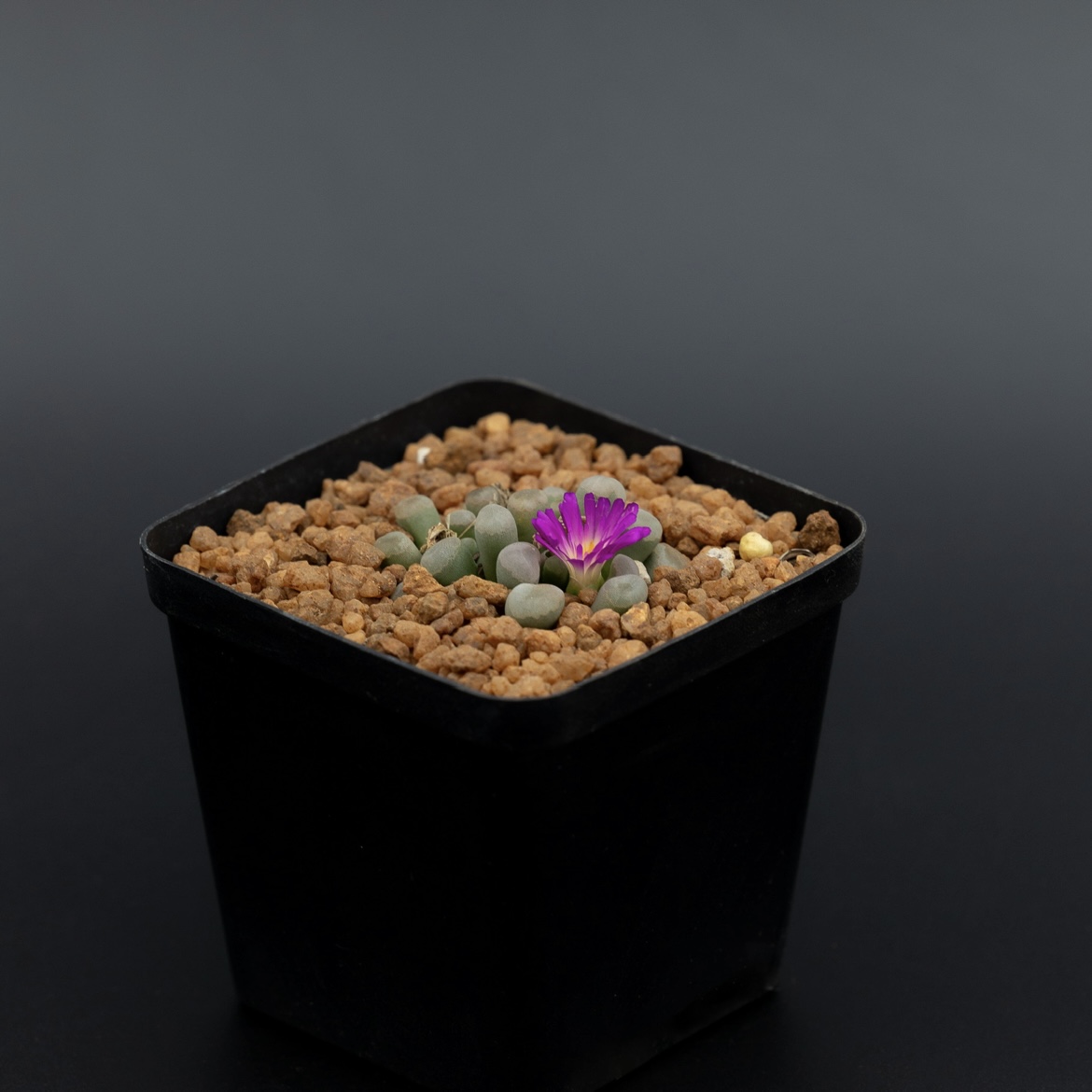
Small but captivating group of succulents known for its compact growth and jewel-like appearance. Sometimes called “fairy elephant’s feet,” Frithia plants are prized for their delicate, translucent-tipped leaves and vibrant, daisy-like flowers. They are small in size but big in character, making them a popular choice for enthusiasts of miniature succulents.
Gibbaeum
Is a small group of compact, unique succulents often admired for their peculiar, pebble-like appearance and vibrant flowers. The name “Gibbaeum” derives from the Latin gibbus, meaning “hump” or “humped,” which accurately describes the swollen, fleshy leaves that look like small hills or lumps. These unusual succulents have captivated collectors with their whimsical shapes and stunning adaptations to the arid regions of South Africa.
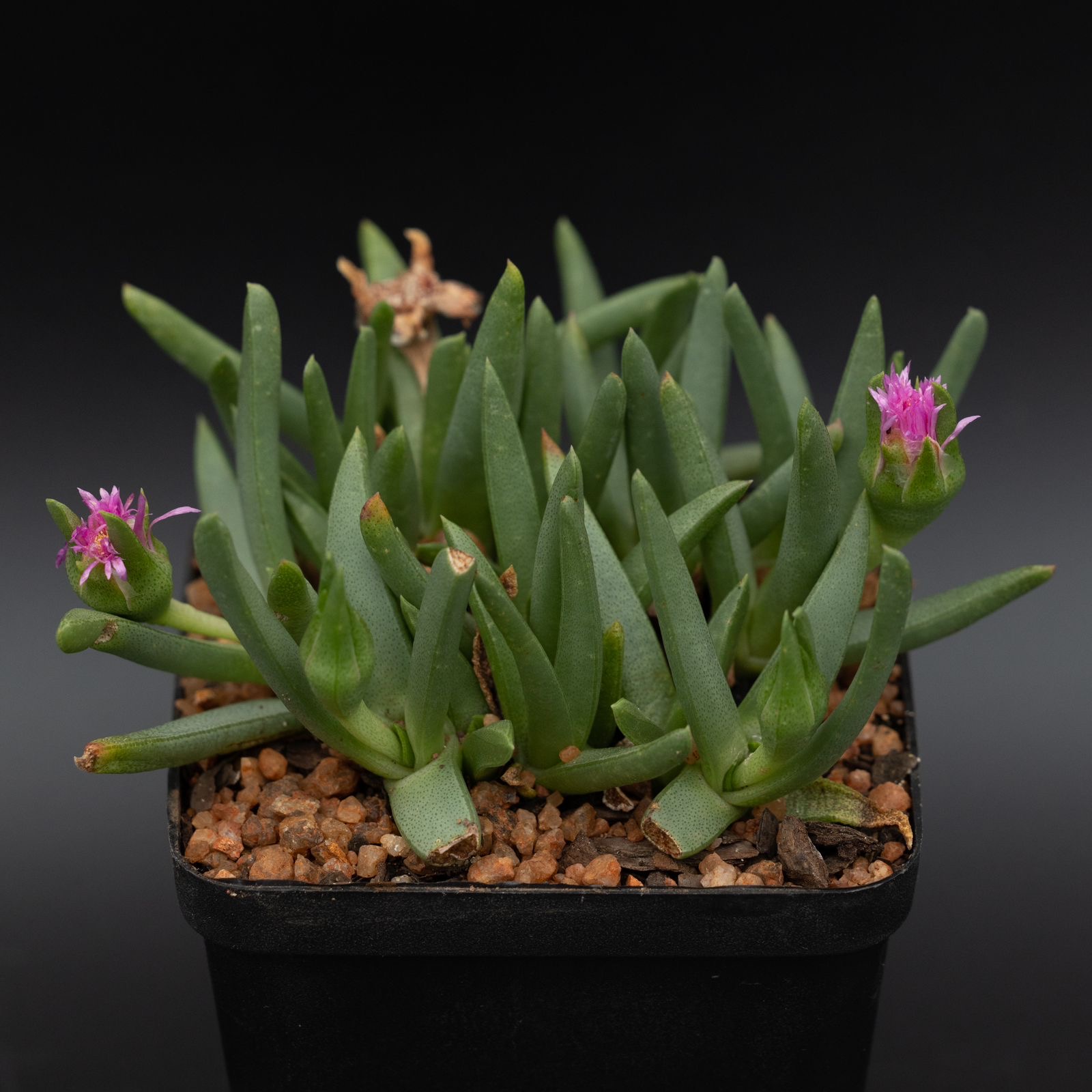
Khadia
A lesser-known but enchanting group of South African succulents. This genus consists of a few compact species known for their neat, low-growing forms and strikingly vibrant flowers. Often sought after by succulent enthusiasts, Khadia brings a unique touch to rock gardens and collections with its distinctive, textured leaves and eye-catching blooms.
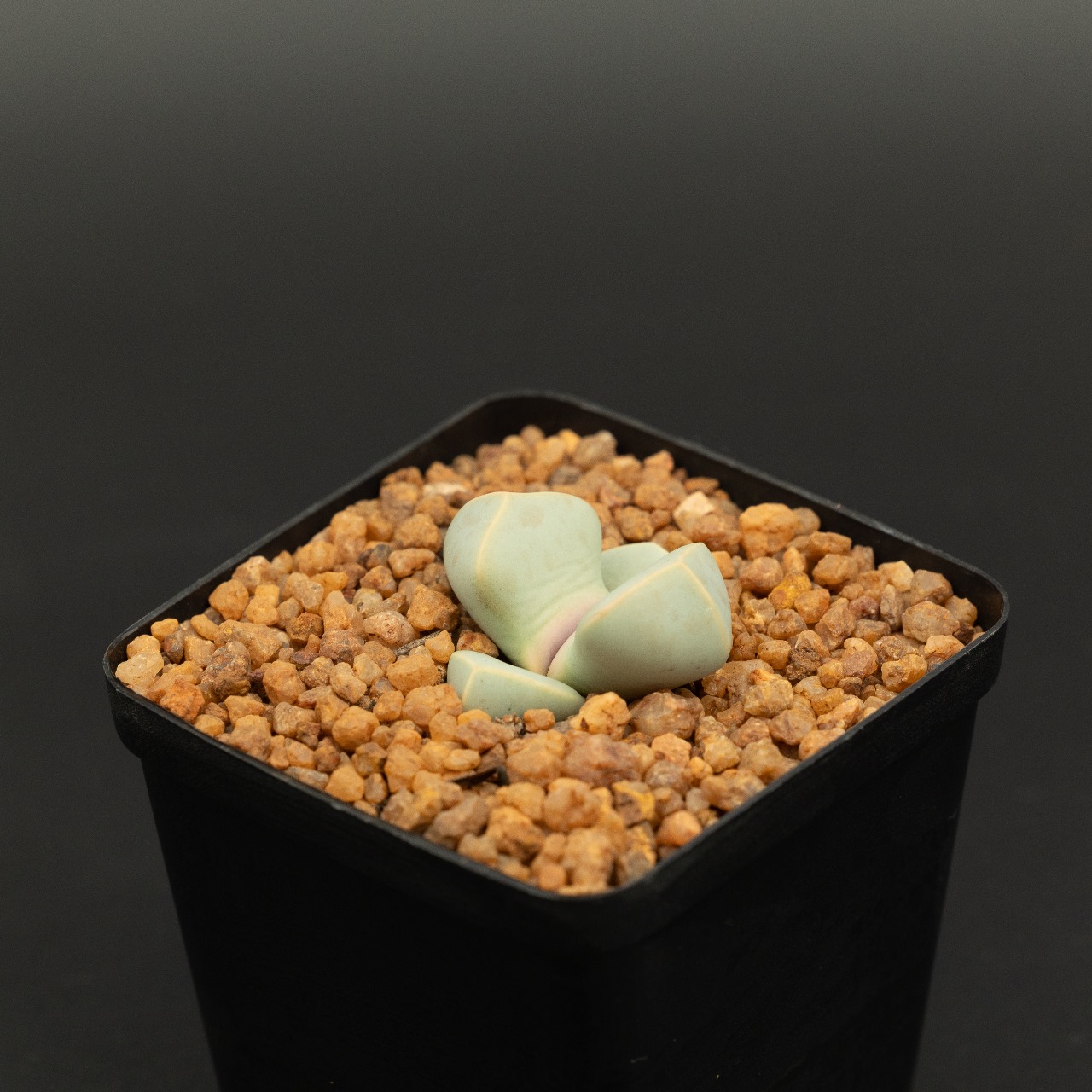
Lapidaria
A small and unique genus of succulents that closely resembles stones, allowing it to blend into its arid, rocky environment. Often mistaken for Lithops due to its stone-like appearance, Lapidaria consists of only one species: Lapidaria margaretae. This succulent is appreciated for its architectural beauty, distinctive leaf structure, and pale, pastel colors that make it look almost sculptural.
Lithops
One of the most unique and beloved groups of succulents, often called “living stones” for their remarkable resemblance to small rocks or pebbles. This adaptation allows them to blend into their native environment, reducing predation and conserving water. Lithops have become immensely popular among succulent collectors for their charming, stone-like appearance and unique growth patterns.
Mestoklema
A small group of resilient, ground-covering succulents known for their mat-forming growth and charming, daisy-like flowers. These plants are popular among succulent enthusiasts and gardeners for their ability to thrive in hot, dry climates while providing vibrant, year-round color.
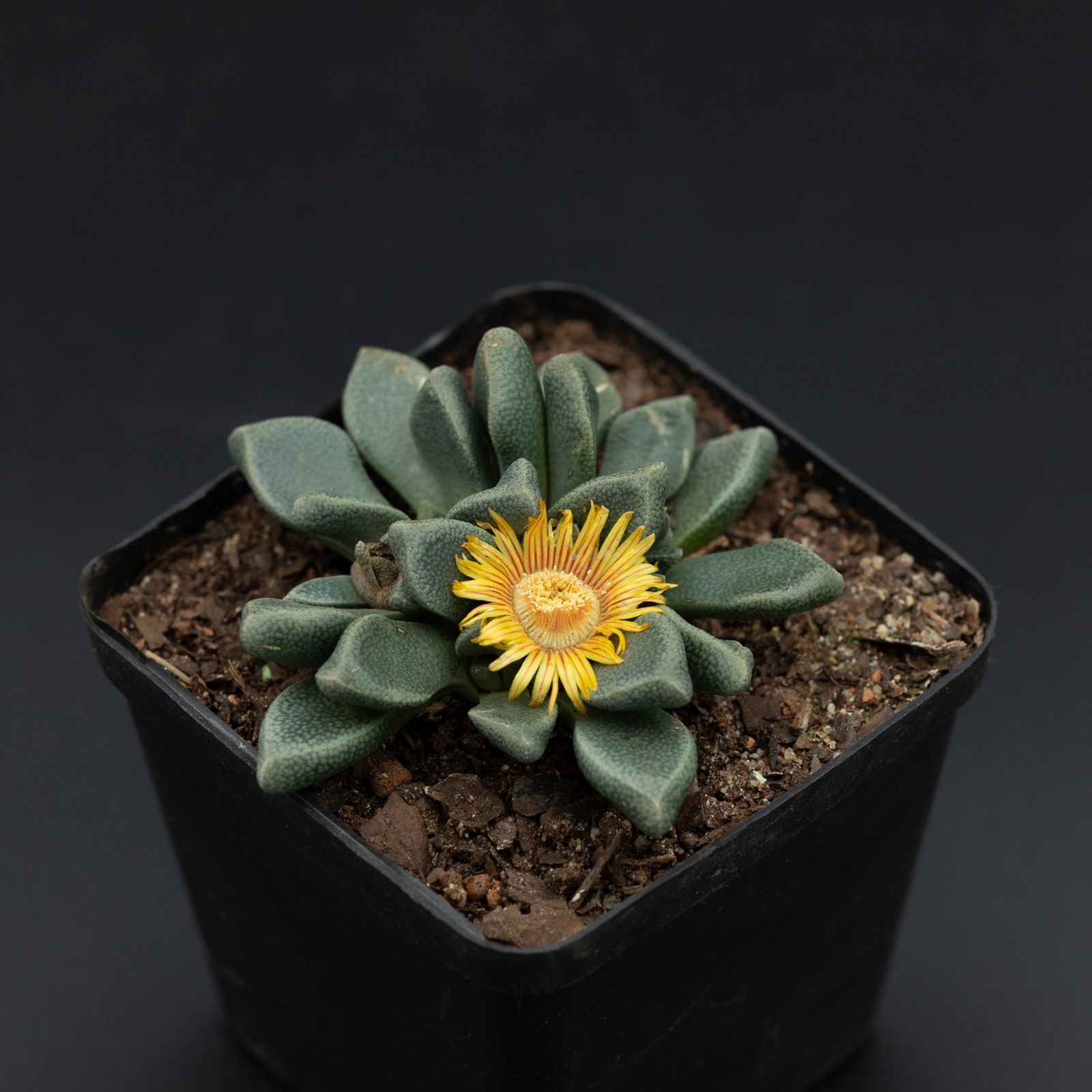
Nananthus
comprises a small group of compact succulents prized for their unique leaf shapes, small size, and striking flowers. Known for their textured, bumpy leaves and cheerful blooms, Nananthus plants are beloved by collectors for their hardy nature and subtle beauty.
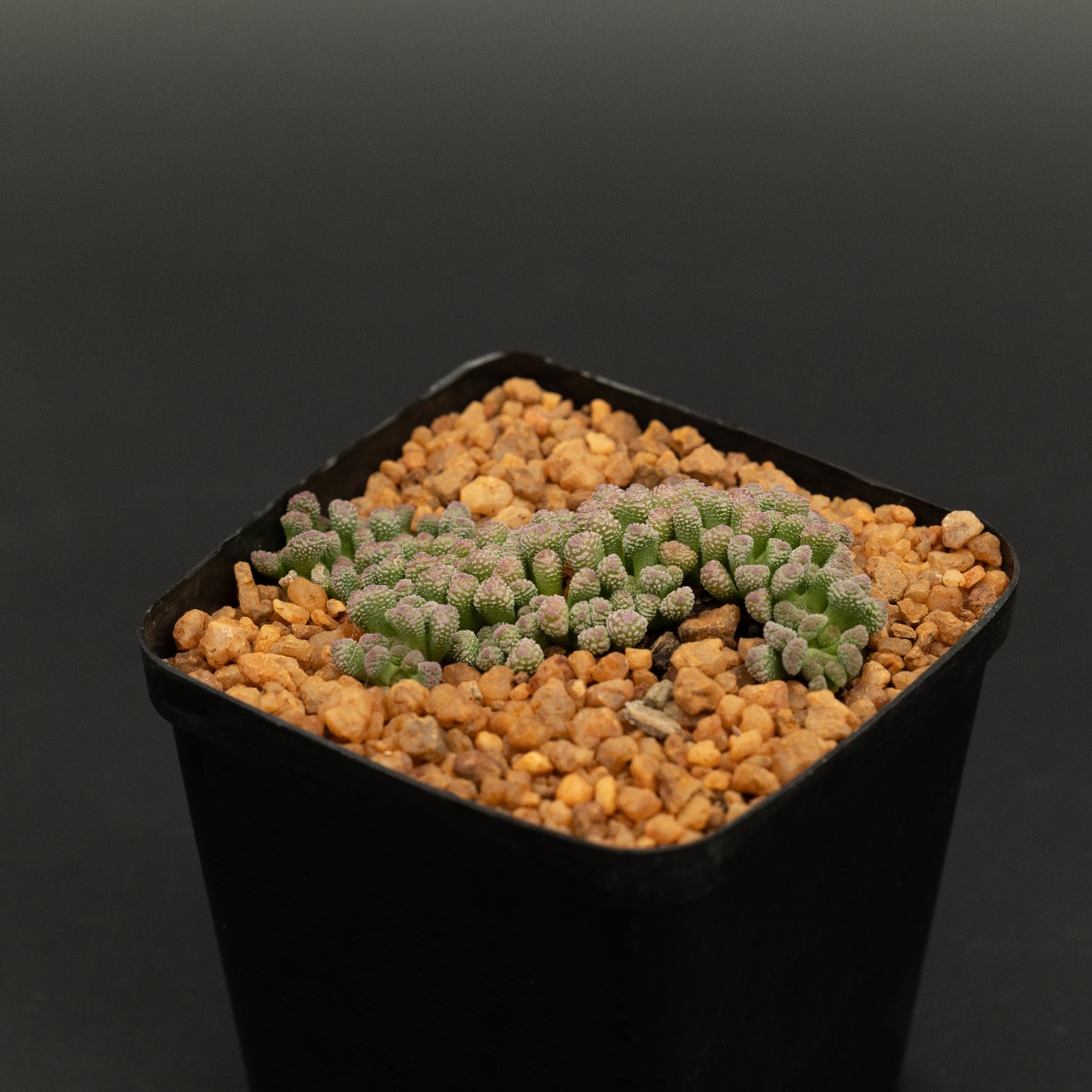
Neohenricia
includes a few low-growing, mat-forming succulents that thrive in dry, rocky environments. These tiny plants are known for their small, cylindrical leaves and miniature flowers, which add delicate beauty to rock gardens and succulent collections.
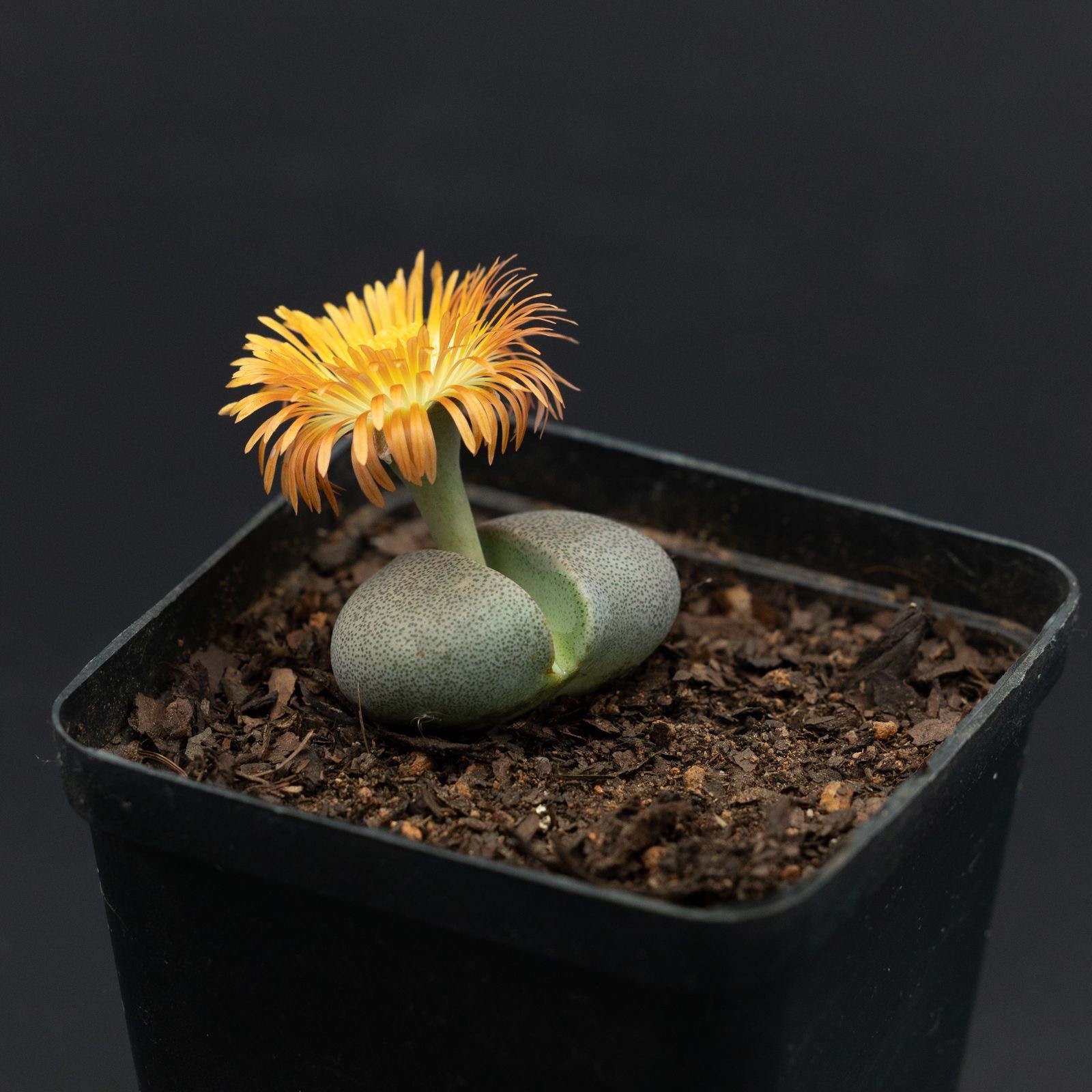
Pleiospilos
Celebrated for its unique “split rock” appearance, resembling small stones or rocks with visible fissures. These succulents are compact and intriguing, often called “mimicry plants” because of their ability to blend into rocky landscapes.
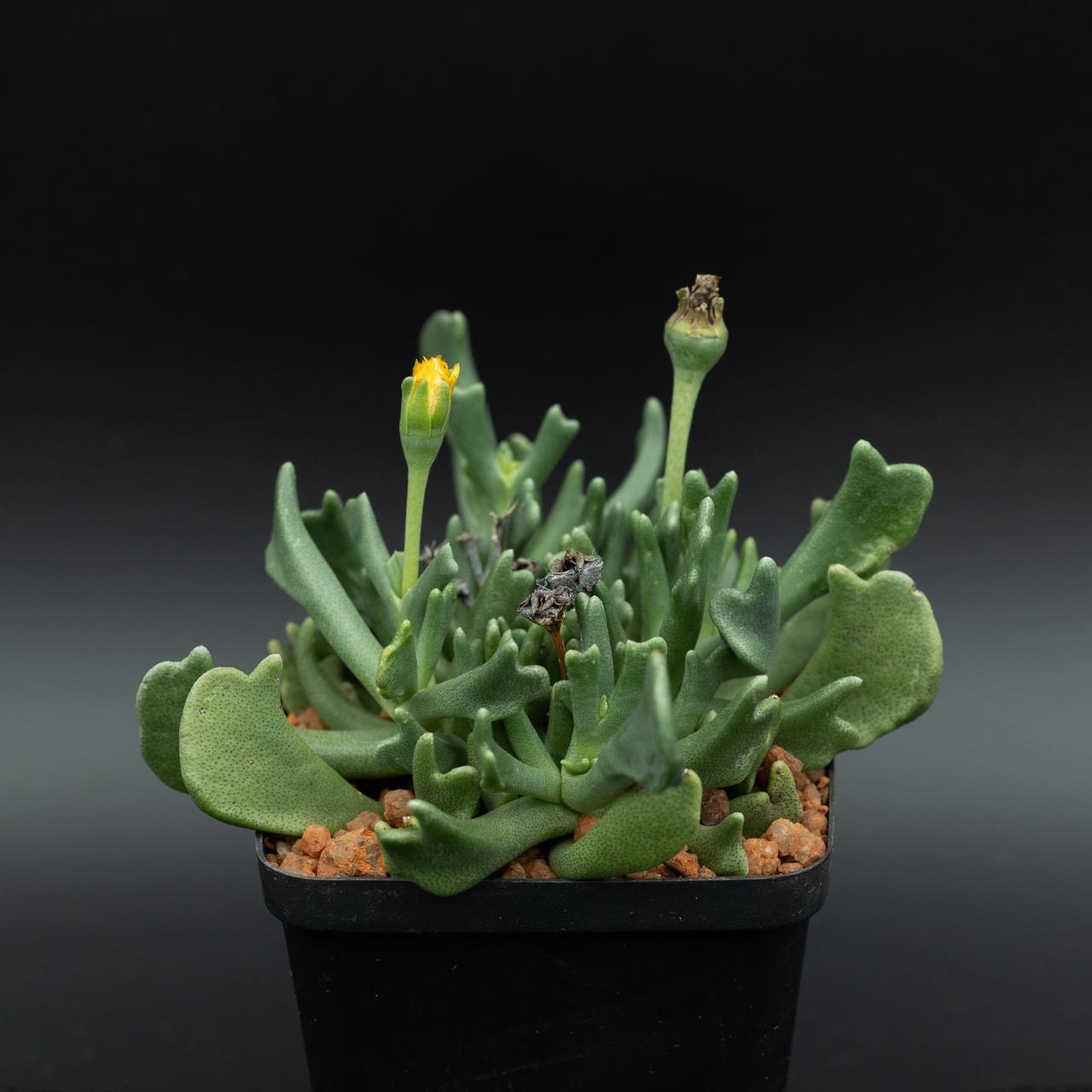
Rhombophyllum
Known for its distinct, angular leaves and small, bright yellow blooms. These succulent shrubs are compact and can create a lush, vibrant look in rock gardens, containers, or succulent arrangements.
Ruschia
Includes a diverse group of hardy, ground-covering succulents often referred to as “ice plants.” Known for their thick, fleshy leaves and vibrant blooms, Ruschia species are valued for their resilience, making them ideal for xeriscaping, rock gardens, and containers.
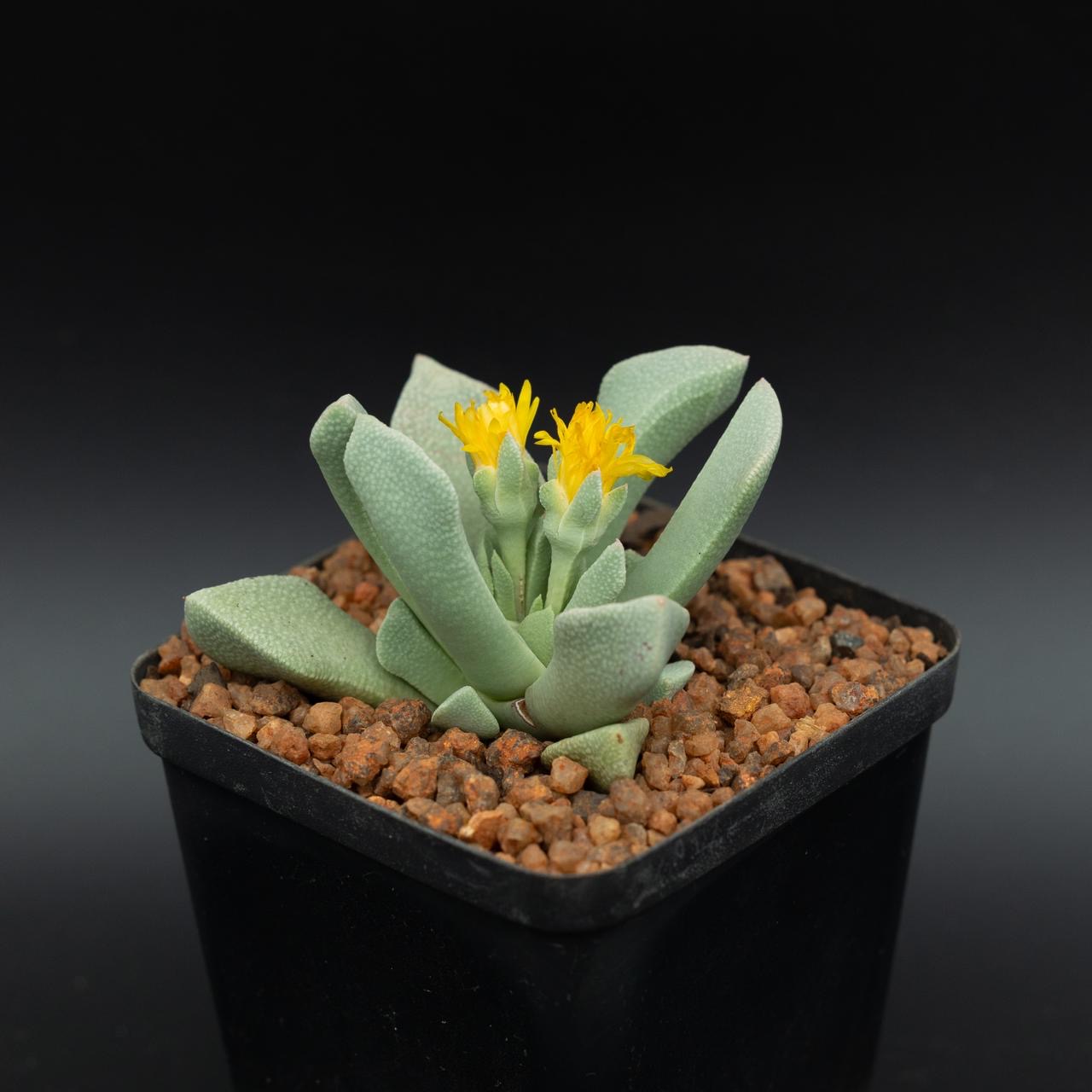
Schwantesia
Consists of small, compact succulents with thick, uniquely shaped leaves that resemble tiny gemstones. Known for their fascinating leaf structures and bright, cheerful flowers, Schwantesia species are ideal for succulent collections and rock gardens.
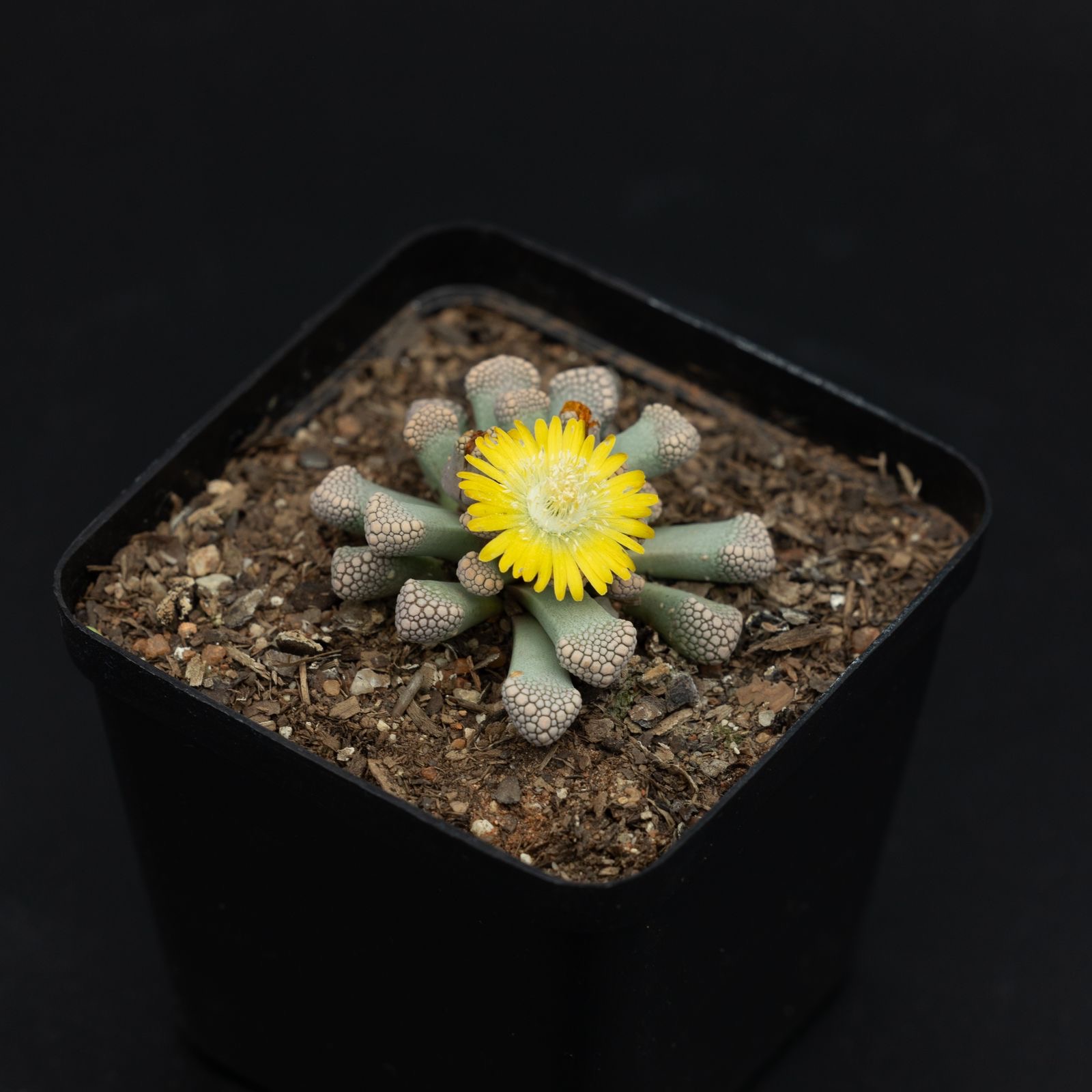
Titanopsis
Known for its striking resemblance to the rocky terrain where it grows. These small succulents have thick, textured leaves that mimic the appearance of stones, providing camouflage and helping them survive in harsh, arid environments. Their unique looks and resilience make Titanopsis popular among succulent collectors and rock garden enthusiasts.
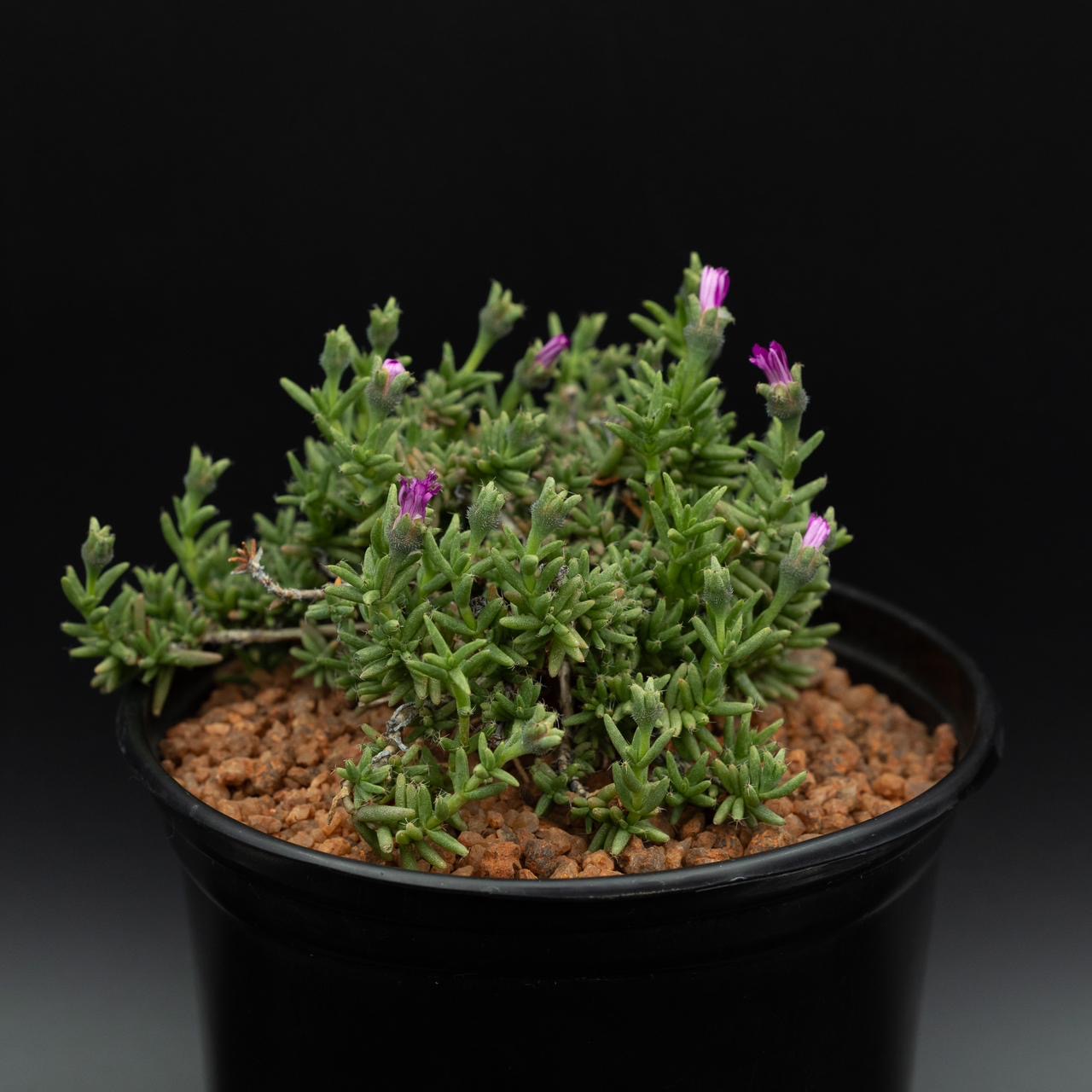
Trichodiadema
A collection of small succulents that are uniquely recognizable by their delicate, bristled leaf tips that resemble tiny crowns. This feature, along with their striking flowers and compact growth form, makes Trichodiadema an interesting addition to succulent collections, bonsai projects, and rock gardens.
Looking for a succulent that is not on the list?
Lets see what we can do to help…
We have a great selection and variety of succulents available. We just might have the plant you need to start or complete a collection.