
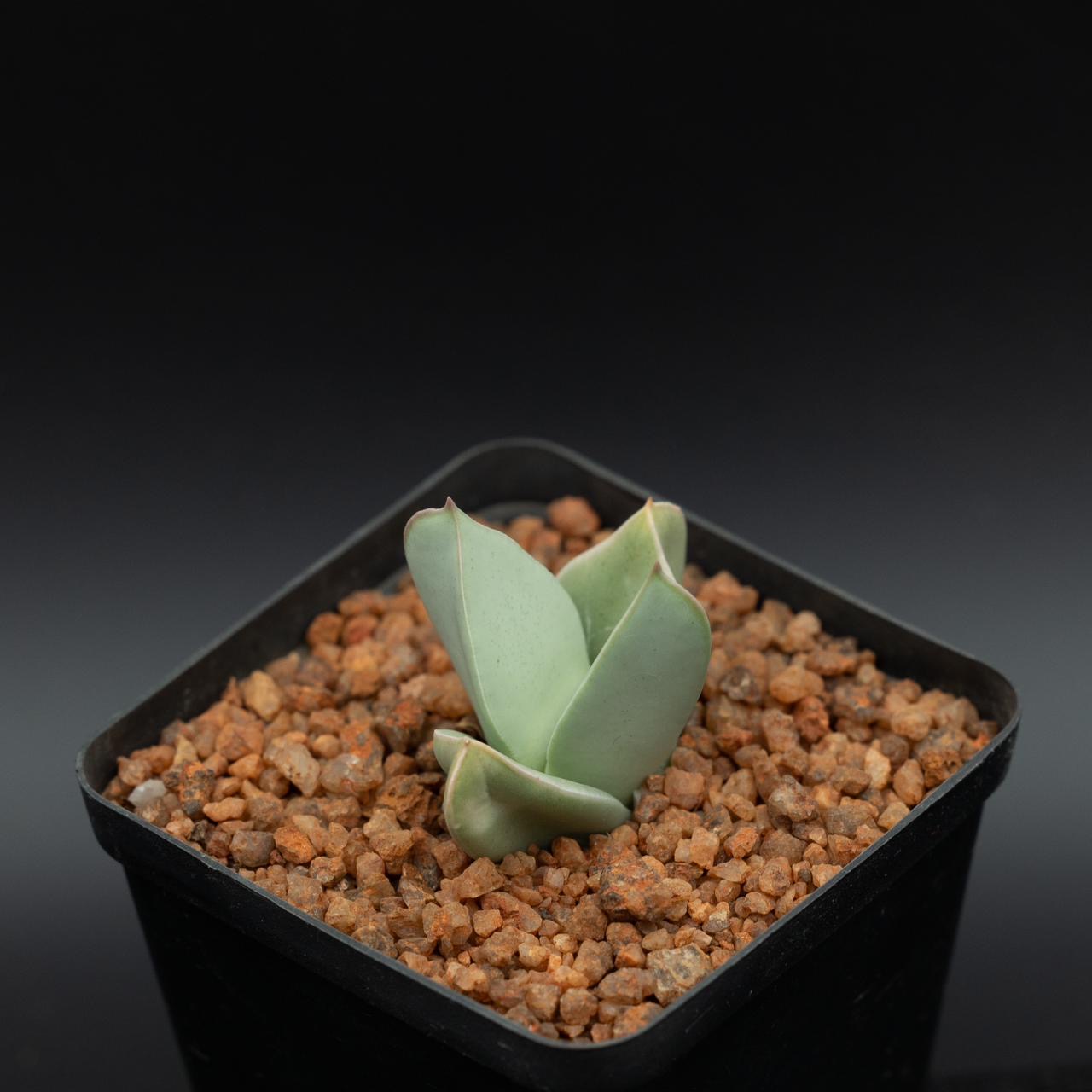
Conophytum herreanthus is a rare and captivating succulent from the Aizoaceae family, admired for its unusual, fleshy, heart-shaped leaves that form small, compact clumps. Native to the dry regions of South Africa, this unique plant thrives in well-drained soil and bright, indirect light, making it an excellent choice for collectors and succulent enthusiasts. Unlike many succulents, it follows a winter-growing cycle and enters dormancy in the summer. In autumn, Conophytum herreanthus produces stunning, fragrant, daisy-like flowers in shades of pink, purple, or white, adding an extra touch of beauty. Its distinctive form, seasonal growth pattern, and low-maintenance care make it a prized addition to any succulent collection!
R55,00
Conophytum herreanthus - The Herre’s Conophytum
Conophytum herreanthus is a rare and intriguing succulent in the Aizoaceae family, valued for its compact, pebble-like growth and unique flowers. This slow-growing species is a favorite among succulent enthusiasts, especially those interested in the “living stones” of the succulent world.
Common Characteristics
- Small, Pebble-Like Leaves: C. herreanthus has small, fleshy leaves that grow in pairs and resemble tiny pebbles. These leaves are often greenish-gray with slight purple or red tinges, providing an earthy aesthetic.
- Unique “Windowed” Leaf Tips: The tops of the leaves often feature translucent “windows” that allow light to enter for photosynthesis, even when the plant is mostly buried or shielded.
- Compact Growth Habit: C. herreanthus grows low to the ground, with individual pairs of leaves forming clusters that gradually expand to cover a small area.
- Late Summer to Fall Blooms: In late summer to early fall, C. herreanthus produces small, funnel-shaped flowers in shades of cream, yellow, or light pink, which contrast beautifully with its muted foliage.
Native Habitat and Origins
Conophytum herreanthus is native to the arid regions of South Africa, particularly in the Richtersveld area. This region experiences extreme temperatures, bright sunlight, and minimal rainfall, creating a harsh environment in which only the most drought-adapted plants can thrive.
Care Guide for Conophytum herreanthus
- herreanthus is a slow-growing species that requires careful care but can thrive indoors or in rock gardens with the right conditions:
- Soil: Use a well-draining cactus or succulent mix with added sand or grit to prevent moisture retention. This mimics the rocky, gritty soils of its native habitat.
- Watering: Water very sparingly, especially during its summer dormant period. Start light watering in early autumn, once every 2–4 weeks, allowing the soil to dry out completely between waterings.
- Light: This species prefers bright, indirect sunlight, as excessive direct sun may cause scorching. Indoors, place it near a bright window or provide indirect light from grow lights.
- Temperature: C. herreanthus prefers cool to moderate temperatures and is sensitive to frost. It does best at temperatures above 40°F (4°C) and should be kept indoors in cold climates during winter.
- Fertilization: Apply a diluted cactus or succulent fertilizer once in early autumn when the plant begins its active growth phase, supporting new growth and potential blooming.
A Unique Feature: Translucent Leaf “Windows”
One of the most unique and fascinating aspects of Conophytum herreanthus is the translucent “windows” on the tops of its leaves. These “windows” allow light to penetrate into the inner tissues, enabling photosynthesis even when the plant is mostly underground or shielded. This adaptation, also seen in other “living stone” succulents, allows C. herreanthus to conserve moisture and avoid overheating, which is essential for survival in its native desert habitat. This feature, combined with its compact, sculptural appearance, makes C. herreanthus a true marvel of nature and a prized addition for collectors of rare succulents.
Additional information
| Weight | 50 g |
|---|---|
| Dimensions | 8 × 8 × 8 cm |
Reviews
There are no reviews yet.